
Sleep and Blood Sugar
Explore the science behind how your sleep patterns influence energy levels and metabolic health
The information on this site is for educational purposes only and does not constitute medical advice. Always consult a qualified healthcare professional before making health decisions.
Browse by Topic
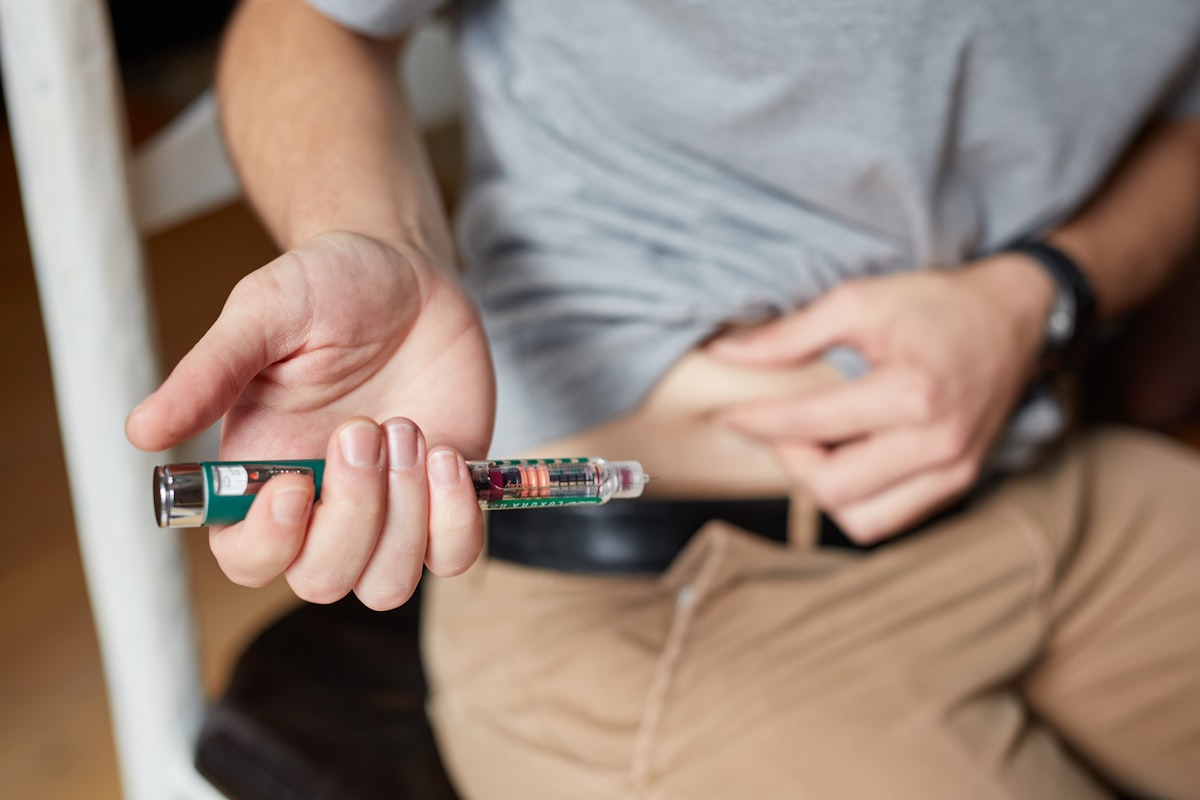
How Sleep Deprivation Affects Blood Sugar Control
When you skip sleep, your body struggles to regulate glucose levels. Learn how insufficient rest increases insulin resistance and leads to energy crashes throughout your day.
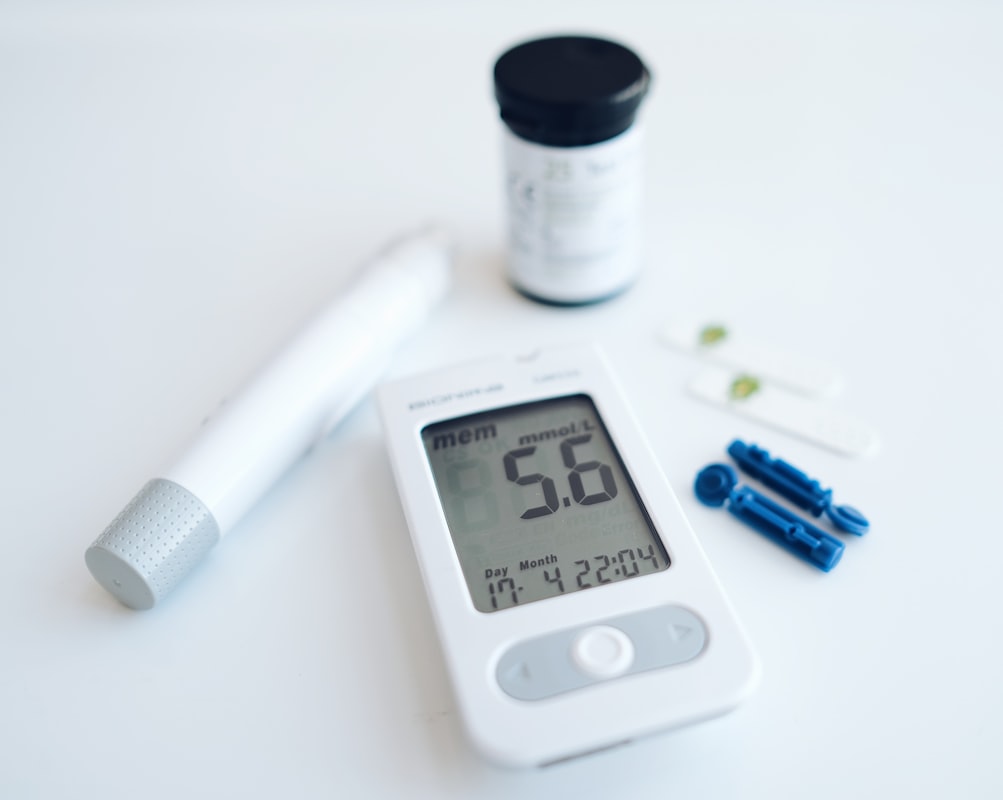
Understanding REM and NREM Sleep Cycles
Different sleep stages serve different purposes. Discover how deep sleep and REM periods are essential for metabolic recovery and maintaining steady energy throughout the day.
Cortisol Rhythm and Glucose Stability
Your stress hormone cortisol follows a natural daily rhythm. Learn how poor sleep disrupts this cycle, triggering unwanted glucose spikes and affecting your metabolic balance.

Optimal Sleep Duration for Metabolic Health
Research shows most adults need 7–9 hours of quality sleep for optimal glucose control. Explore why consistency matters as much as duration for maintaining steady energy.

Creating an Optimal Sleep Environment
Your bedroom conditions directly impact sleep quality and blood sugar stability. Discover practical adjustments to temperature, light, and noise that support better metabolic outcomes.

Sleep Loss and Late-Night Eating Cravings
Poor sleep amplifies hunger hormones and weakens decision-making around food. Understand the connection between rest and impulse eating, and how better sleep habits improve dietary choices.
Featured Deep Dive
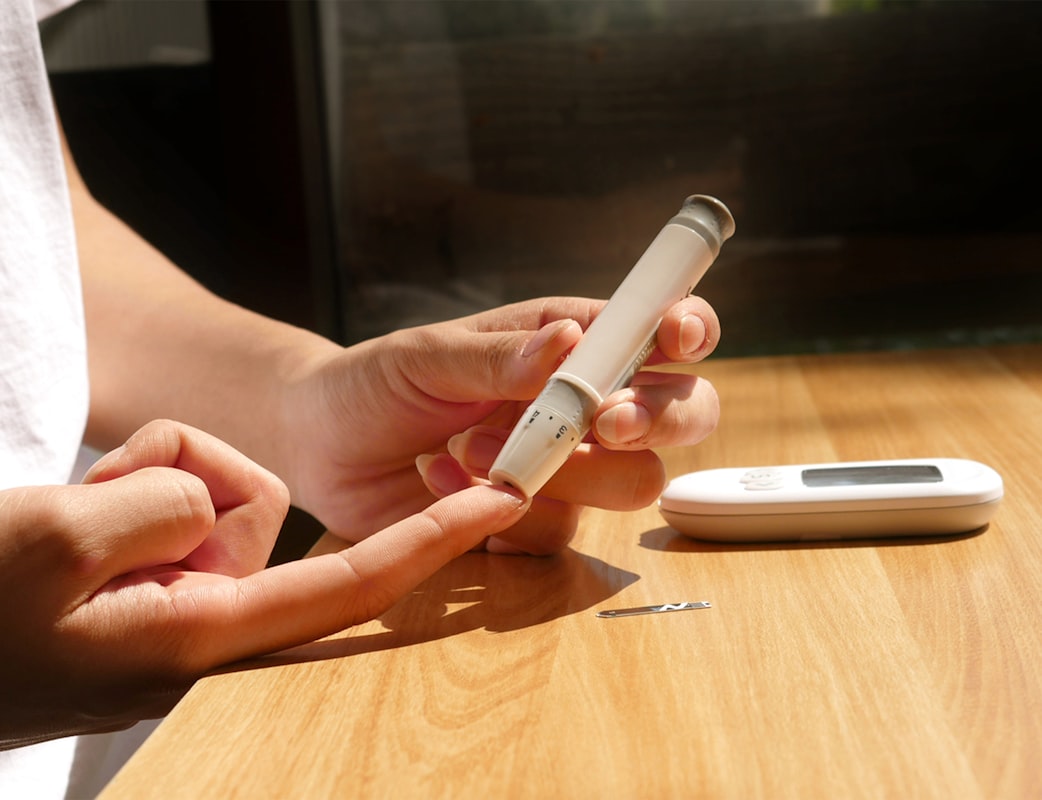
Tracking Sleep Quality: A Comprehensive Guide
Sleep tracking has become increasingly accessible through wearables and apps, but understanding what the data actually means is crucial. This article breaks down key sleep metrics—total sleep time, sleep efficiency, awakenings, and heart rate variability—and explains how each relates to your blood sugar management and daily energy levels.
We explore both scientific research on sleep architecture and practical strategies for interpreting your personal sleep data. Learn which metrics matter most for metabolic health and how to use this information to optimize your sleep habits for stable energy throughout the day.
Read full articleRelated Topics
Sleep Disorders
Explore common sleep-related challenges and their effects on metabolic function. Understanding conditions like sleep apnea and insomnia helps explain why some people struggle with glucose management.
Learn moreNutrition & Sleep
Discover how meal timing, macronutrient composition, and specific foods influence both sleep quality and blood sugar stability. The relationship between diet and rest is bidirectional.
Learn moreExercise & Recovery
Physical activity timing impacts both glucose utilization and sleep onset. Understand how training schedules, intensity, and recovery routines create a synergy with your sleep-wake cycle.
Learn moreStay Updated on Sleep & Energy Science
Get our latest articles and insights delivered to your inbox. We cover the latest research on sleep, blood sugar, and stable energy habits.
We respect your privacy. Unsubscribe at any time. No spam, ever.
Frequently Asked Questions
How much sleep do I need for stable blood sugar?
Most research indicates that 7–9 hours of consistent sleep per night supports optimal glucose control. However, sleep quality matters as much as quantity. Aim for regular sleep-wake times and minimize disruptions throughout the night. Individual needs vary based on age, activity level, and genetic factors.
Can one night of poor sleep affect my glucose levels?
Yes, even a single night of inadequate sleep can temporarily increase insulin resistance and trigger glucose fluctuations. Studies show that after just one night of restricted sleep, your body's ability to regulate blood sugar diminishes noticeably. However, recovery is usually rapid with one or two nights of quality sleep.
What time should I go to bed for optimal metabolic function?
Consistency is more important than a specific time. Your body's circadian rhythm adapts to regular sleep schedules. Going to bed and waking up at the same times daily—even on weekends—helps regulate cortisol, melatonin, and glucose metabolism far more than aiming for a "perfect" bedtime.
Does caffeine in the afternoon truly disrupt sleep quality?
Caffeine has a half-life of 5–6 hours, meaning afternoon intake can significantly interfere with sleep onset and architecture. For most people, consuming caffeine after 2 PM reduces deep sleep and increases nighttime awakenings. Individual sensitivity varies; some people recover faster while others are affected longer.
How does shift work affect blood sugar stability?
Shift work disrupts circadian alignment, making glucose regulation significantly more challenging. Irregular sleep schedules desynchronize hormone production, elevate baseline cortisol, and increase hunger. If shift work is unavoidable, prioritizing consistent meal timing and light exposure during work hours helps minimize metabolic disruption.
Can sleep supplements improve glucose control?
Sleep quality depends primarily on sleep hygiene, circadian rhythm alignment, and addressing underlying barriers—not supplements. While some compounds support relaxation, they don't replace fundamental habits like consistent bedtimes, proper environment, and stress management. Consult our resources for evidence-based approaches to sleep optimization.
Ready to Explore More?
Discover comprehensive guides, research summaries, and practical strategies for optimizing your sleep and maintaining stable energy levels throughout your day.
Latest Research Updates
Continuous Glucose Monitoring Advances
New CGM technology shows improved accuracy and reduced sensor costs, making blood sugar management more accessible to everyone.
Published: January 2024
Plant-Based Diets and Blood Sugar Control
Recent studies confirm that plant-based eating patterns can significantly improve insulin sensitivity and reduce blood sugar spikes.
Published: December 2023
Sleep Quality's Impact on Glucose Levels
Emerging research highlights the critical connection between sleep duration and blood sugar regulation, with poor sleep linked to higher glucose variability.
Published: November 2023
What Our Community Says
"The daily habit tracking system helped me understand my blood sugar patterns like never before. Within 3 months, my HbA1c dropped by 0.8%, and I feel so much better!"
Sarah M.
Type 2 Diabetes
"I love how the habit tracker breaks down complex health goals into simple, manageable daily actions. It's not overwhelming, and the science-backed tips are incredibly helpful."
James T.
Prediabetes
"Finally, a resource that puts me in control of my health journey. The community support and personalized insights have transformed how I approach my daily choices."
Emma K.
Type 1 Diabetes
Frequently Asked Questions
How do I start building stable energy habits?
Start by downloading our app and completing the initial blood sugar assessment. Then, follow your personalized daily habit checklist. Begin with 2-3 habits and gradually add more as they become automatic. Consistency is key!
Do I need to have diabetes to use Stable Energy Habits Hub?
No! Our platform is designed for anyone looking to improve their blood sugar control, energy levels, and overall health. Whether you have prediabetes, diabetes, or simply want to maintain stable energy, we have resources for you.
Can I track my habits on mobile?
Absolutely! Our mobile app is available on both iOS and Android. You can log your habits, meals, and glucose readings on the go. All your data syncs across devices automatically.
Is my health data private and secure?
Yes, your privacy is our top priority. We use bank-level encryption to protect all your personal and health data. We never sell your information to third parties, and you maintain full control over your data.
Can I connect my glucose monitor or fitness tracker?
Yes! We integrate with popular devices like Dexcom, Freestyle Libre, Apple Health, Fitbit, and Oura Ring. This allows automatic data synchronization so you don't have to manually log everything.
Ready to Stabilize Your Energy?
Join thousands of people already transforming their health with science-backed daily habits. Start your free trial today—no credit card required.
14-day free trial. Cancel anytime. Join our community of 50,Many users.