
How Sleep Impacts Your Blood Sugar Levels
Discover the science behind sleep quality and metabolic health. Learn how rest affects your body's glucose regulation and energy stability.
The information on this site is for educational purposes only and does not constitute medical advice. Always consult a qualified healthcare professional before making health decisions.
Key Research Insights
Hours Recommended
Optimal nightly sleep duration for metabolic stability
Impact Range
Potential blood sugar variation with poor sleep quality
Sleep Cycles
Each cycle contributes to glucose metabolism regulation
Critical Phase
Essential for hormonal balance and energy regulation
The Sleep-Glucose Connection
When you sleep, your body undergoes critical processes that directly influence how it manages blood sugar. During deep sleep phases, your cells become more sensitive to insulin, allowing for better glucose uptake and storage. Poor sleep quality disrupts these mechanisms, leading to reduced insulin sensitivity and elevated glucose levels throughout the day.
Research demonstrates that even a single night of inadequate sleep can trigger hormonal changes that increase cortisol (stress hormone) and reduce melatonin production. This imbalance prompts your body to release more glucose into the bloodstream, creating the conditions for unstable energy patterns.
Chronic sleep deprivation compounds these effects over time, creating a cycle where poor rest leads to glucose instability, which further disrupts sleep quality. Breaking this cycle requires understanding the interconnected relationship between rest duration, sleep stages, and metabolic function.
Read Detailed Analysis
Core Sleep Quality Factors
Sleep Duration
Consistent 7-9 hour sleep windows allow your body to complete multiple full sleep cycles. Each cycle includes light sleep, deep sleep, and REM phases—all essential for glucose metabolism restoration. Insufficient duration shortens these restorative phases, preventing proper hormonal reset.
Circadian Rhythm
Your 24-hour biological clock synchronizes with light and darkness cycles, triggering melatonin production in the evening and cortisol rise in the morning. This rhythm directly controls when your body releases and stores glucose. Irregular sleep schedules desynchronize these rhythms, causing metabolic confusion.
Sleep Continuity
Fragmented sleep—frequent awakenings or light, restless nights—prevents deep sleep stage accumulation. These interruptions stress your nervous system, elevating cortisol and adrenaline, which signal your liver to release stored glucose. Uninterrupted sleep allows proper cycle progression.
Sleep Environment
Cool (65-68°F), dark, and quiet sleeping spaces support melatonin production and deep sleep transitions. Temperature regulation affects your body's ability to enter and maintain sleep stages. Light exposure suppresses melatonin, delaying sleep onset and reducing sleep depth.
Pre-Sleep Habits
Eating large meals or high-sugar foods before bed triggers glucose spikes that interfere with sleep onset. Caffeine consumption within 6-8 hours blocks adenosine receptors, reducing sleep pressure. Alcohol disrupts REM sleep and causes frequent night awakenings, fragmenting rest quality.
Stress & Mental State
Chronic stress elevates cortisol levels, which remains high into evening and prevents melatonin rise. This physiological state keeps your brain in alert mode, reducing sleep quality and depth. Anxiety and racing thoughts delay sleep onset and fragment existing sleep, both disrupting glucose regulation.
Sleep Stages & Metabolic Impact
1 Light Sleep (N1-N2)
Comprises 45-55% of total sleep time. During these stages, your body begins lowering core temperature and blood pressure. Heart rate slows, and your brain starts filtering out external stimuli. These stages act as a transition zone, gradually shifting your body from wakefulness toward deeper restorative states where glucose metabolism stabilizes.
2 Deep Sleep (N3)
Represents 15-25% of sleep and is when your body performs critical restoration. During deep sleep, insulin sensitivity increases dramatically, allowing your cells to absorb glucose more efficiently. Growth hormone peaks, supporting muscle repair and metabolic recovery. This stage is where your glucose regulation systems truly reset.
3 REM Sleep
Makes up 20-25% of total sleep and cycles repeat throughout the night, with longer REM periods toward morning. During REM sleep, your brain consolidates memories and regulates dopamine, serotonin, and other neurotransmitters that influence hunger signals and glucose cravings. Adequate REM sleep reduces emotional eating and improves dietary choices.
4 Full Cycle Effect
A complete sleep cycle (all four stages) takes 90-110 minutes. Most adults need 4-6 full cycles per night for complete metabolic restoration. When sleep is shortened or fragmented, you miss deep sleep and REM phases, preventing your body from completing the hormonal rebalancing necessary for stable glucose levels throughout the following day.
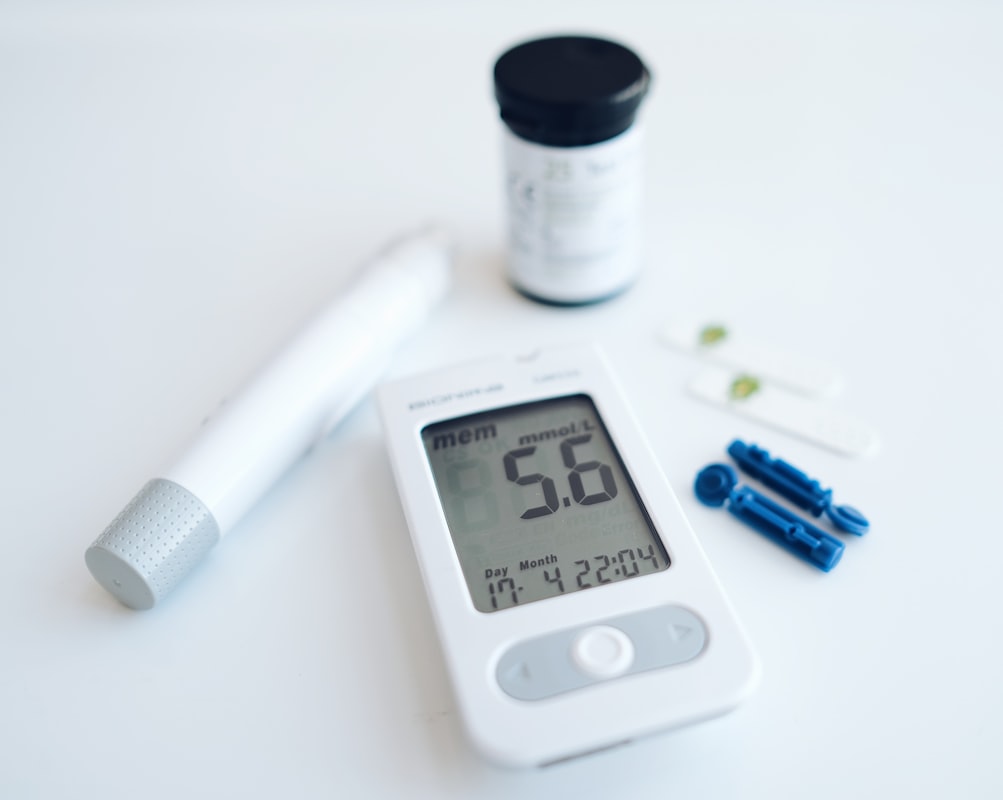
Quality Sleep vs. Poor Sleep: Blood Sugar Impact
Quality Sleep (7-9 Hours)
- Stable glucose levels: Consistent 70-100 mg/dL fasting range with minimal fluctuation throughout the day
- Improved insulin sensitivity: Cells respond efficiently to insulin signals, preventing excess glucose accumulation
- Balanced hormones: Proper cortisol curve with high morning levels tapering through the day
- Enhanced energy: Sustained energy levels without afternoon crashes or cravings
- Better appetite control: Leptin and ghrelin hormones properly calibrated, reducing overeating
- Improved mood: Stable serotonin and dopamine support emotional resilience and decision-making
- Cognitive clarity: Optimal brain glucose uptake supports focus, memory, and mental processing
Poor Sleep (<6 Hours)
- Elevated glucose spikes: Fasting levels 100-120+ mg/dL with sharp post-meal spikes and slow recovery
- Reduced insulin sensitivity: Cells become resistant to insulin, forcing pancreas to produce more to compensate
- Elevated cortisol: Chronically high stress hormone triggers glucose release and fat storage patterns
- Energy crashes: Afternoon energy collapses requiring high-carb/caffeine fixes to function
- Dysregulated appetite: Ghrelin (hunger) increases while leptin (satiety) decreases, driving overeating
- Mood disturbance: Low serotonin and dopamine contribute to irritability, anxiety, and poor emotional regulation
- Brain fog: Reduced glucose delivery to prefrontal cortex impairs executive function and decision-making
The Sleep-to-Glucose Connection: Step by Step
Sleep Onset: Melatonin Rises, Cortisol Falls
As darkness falls, your pineal gland increases melatonin production while cortisol naturally decreases. This hormonal shift signals your body to slow metabolism and prepare for rest. Your core temperature drops, heart rate slows, and your brain transitions from beta (awake) to alpha and theta waves. This cascade prepares your system for the deep metabolic work ahead.
Deep Sleep Activation: Insulin Sensitivity Peaks
During deep sleep (N3 stage), your brain enters delta wave patterns—the slowest brain activity state. Here, your body increases insulin sensitivity significantly, meaning glucose can enter cells more easily. Your liver reduces glucose output, and muscle cells become primed to absorb circulating glucose. Growth hormone surges, supporting cellular repair and metabolic restoration. This stage is where your body recovers from the previous day's metabolic demands.
REM Sleep: Hormonal Rebalancing & Neurotransmitter Regulation
REM sleep cycles increase toward morning, with the longest and most intense REM periods in the final hours of sleep. During REM, your brain consolidates emotional memories and recalibrates neurotransmitter systems—serotonin, dopamine, and GABA. These chemicals directly influence hunger signaling, food cravings, and emotional eating patterns. Adequate REM ensures your brain enters the day with balanced neurochemistry, reducing impulse-driven glucose-spiking food choices.
Morning Awakening: Cortisol Rise & Metabolic Reset
As light approaches and you prepare to wake, cortisol naturally rises in a healthy curve—highest upon waking, then gradually tapering. This cortisol pulse signals your liver to release stored glucose to fuel your morning activity. When sleep has been sufficient and continuous, this cortisol rise is measured and appropriate. After poor sleep, cortisol remains elevated throughout the day, chronically stimulating glucose release and preventing stable energy levels.
Daytime Expression: Stable Glucose Utilization
With proper sleep recovery, your body enters the day with restored insulin sensitivity, balanced hormone levels, and adequate neurotransmitter supplies. Your cells efficiently use incoming glucose from meals. Leptin (satiety hormone) is high, and ghrelin (hunger hormone) is appropriately low, preventing overeating. Energy levels remain stable without afternoon crashes. Your brain has adequate glucose supply for executive function and emotional regulation—all downstream benefits of the metabolic reset that happened during sleep.
Deepen Your Understanding
Explore our comprehensive articles and frequently asked questions to learn more about optimizing your sleep for stable blood sugar and sustained energy.
What Our Community Says
"Stableenergyhabitshub transformed how I manage my daily energy. The practical strategies have made a real difference in my productivity and well-being."
Sarah M.
Wellness Enthusiast
"I've tried many programs, but this one actually sticks. The science-backed approach and supportive community keep me motivated every single day."
James T.
Productivity Coach
"Finally, a program that addresses energy management holistically. The resources here are invaluable for anyone looking to improve their quality of life."
Emma R.
Health Advocate
Frequently Asked Questions
What is Stableenergyhabitshub?
How can I get started?
Is there scientific evidence behind your methods?
Can I access content on mobile devices?
Is membership required?
Ready to Transform Your Energy?
Join thousands of people who are already building sustainable energy habits. Start your journey today and experience the difference stable energy can make in your life.
© 2024 Stableenergyhabitshub – IČO: 95652653. All rights reserved.
Empowering sustainable energy habits worldwide